Honoring All Who Served Thank You Review
As a designer who has spent years testing digital assets on everything from delicate baby onesies to heavy-duty work aprons, I know that the difference between a good embroidery project and a great one often comes down to the file itself. Today, I am looking at Honoring All Who Served Thank You, a design intended for T-Shirt Designs and broader apparel applications. Before you download this file or commit it to your next commercial order, it is essential to understand how this specific layout performs under the needle.
The First Impression: Mood and Layout
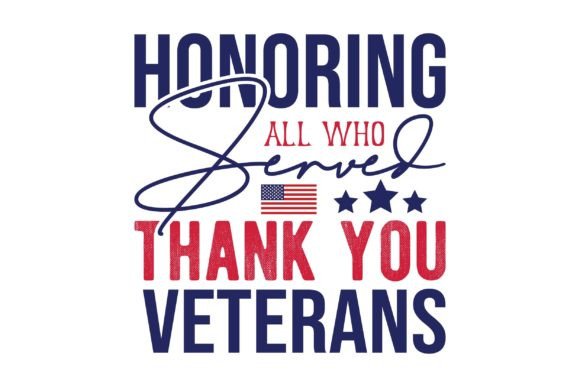
When I first opened the preview for Honoring All Who Served Thank You, the immediate feeling was one of respect and solemnity. The layout feels balanced, avoiding the cluttered look that can sometimes plague patriotic themes. It does not scream for attention with excessive flourishes; instead, it relies on strong typography and clean lines to convey its message. This makes it an excellent candidate for custom apparel where the wearer wants to make a statement without overwhelming the garment's fabric texture.
The visual personality of this design suggests it belongs in settings that value tradition and gratitude. Whether it is being stitched onto a cap for a local parade or placed on a kitchen towel for a family gathering, the design commands a sense of dignity. For small business owners and Etsy sellers, this mood is crucial because it aligns perfectly with customers looking for meaningful, heartfelt gifts rather than generic merchandise.
Real-World Application: A Case Study
To truly evaluate Honoring All Who Served Thank You, I put it through a practical scenario recently. I decided to use it for a batch of custom embroidered tote bags intended as holiday gifts for a veteran support group. The goal was to create a product that felt substantial enough to hold weight but elegant enough to be used daily.
I selected a canvas tote bag for this test. The design's size allowed it to sit comfortably on the front panel without interfering with the handles. As the machine began stitching, the clarity of the lettering was immediately apparent. The satin stitch areas held their shape well against the woven texture of the canvas, creating a smooth finish that contrasted nicely with the rougher fabric background. The fill stitch density provided just enough coverage to ensure opacity without making the area too stiff or difficult to fold.
The reaction from the recipients was positive, specifically regarding the professional appearance of the finished product. Because the design did not have overly tiny details that could get lost in the weave, every recipient could read the message clearly. This level of clarity is vital for commercial embroidery projects where customer satisfaction depends on the legibility of the text. If a gift cannot be read easily, its emotional impact diminishes significantly.
Performance Across Different Projects
This design proves versatile, but it shines brightest in specific categories. For embroidery designers building a portfolio, Honoring All Who Served Thank You offers a reliable base for various handmade products. It works exceptionally well on sweatshirt embroidery, where the thicker fabric provides a stable surface for dense stitching. Similarly, it translates beautifully to baby embroidery items like booties or bibs, provided the scale is adjusted correctly.
In the realm of home decor, the design fits naturally on pillow covers and tea towels. The patriotic theme resonates strongly during holiday seasons, making it a prime choice for holiday embroidery collections. For those selling digital files, this design serves as a robust asset for creating printable mockups that showcase how the final product will look on different materials.
However, versatility does not mean universality. There are specific contexts where caution is required. When considering tote bag design variations made from thin fabrics or stretchy materials, the stability of the design becomes a concern. Stretchy knits require a very firm stabilizer to prevent puckering, which can distort the text if not managed properly.
Areas Requiring Careful Execution
While the design is generally robust, there are limitations you must consider before starting production. Small hoop sizes present a significant challenge. If you attempt to digitize or embroider this design in a 4x4 hoop, the spacing between letters might feel cramped, reducing the overall aesthetic appeal. Always verify the recommended hoop size before placing the design on your machine.
Textured fabrics, such as bouclé or heavy corduroy, can obscure the finer details of the embroidery file. On these surfaces, the thread may not lay flat, causing the text to lose definition. Additionally, dark fabrics require careful consideration of thread colors. While the design likely includes options for light threads, the contrast ratio must be high enough to ensure readability. Testing on scrap fabric is non-negotiable when working with dark backgrounds.
Curved surfaces like caps also demand extra attention. The curvature of a hat can cause the design to appear distorted if the underlying grid is not adjusted. For embroidered patch applications, the dense stitch areas might become too thick, affecting the flexibility of the final piece. In these cases, reviewing the stitch density is critical to maintaining the integrity of the design.
Impact on Visual Appeal and Brand Trust
The quality of an embroidery project directly influences buyer engagement and brand consistency. A well-executed Honoring All Who Served Thank You design signals professionalism to the end consumer. It suggests that the maker cares about detail and quality, which builds trust. Conversely, any issues with thread tension or misaligned stitches can undermine the perceived value of the item.
For Etsy sellers and small shop product creators, this design offers a way to elevate their offerings. When a customer sees a crisp, clean design on a personalized gift, they are more likely to view the item as a premium product. The design's ability to convey gratitude effectively adds an emotional layer that generic designs often lack, making it a valuable addition to any design assets library.
Practical Designer Notes for Success
Before you commit to a full run of finished product orders, follow these essential steps to ensure success. First, always test the design on scrap fabric that matches your final material. This allows you to check thread color contrast and observe how the fabric texture interacts with the stitches.
Review the stitch density carefully. High-density areas can sometimes cause the fabric to pucker if the wrong stabilizer is used. Ensure you are using the appropriate type of backing, whether it is cut-away for stability or tear-away for lightweight projects. Confirming the machine compatibility of the file format is also necessary, though specific technical details should be verified with the file provider.
Inspect small details closely. Sometimes, fine lines can break up or merge if the thread tension is off. Test the design in black and white mockups to see how it reads without the distraction of color. Compare the look on both light and dark fabric backgrounds to determine if additional outlining or shadowing is needed.
Finally, confirm licensing terms before selling. Ensure that the design works for both personal and commercial projects if you intend to sell the finished items. Understanding the rights associated with the digital embroidery file protects your craft business from legal complications. By following these guidelines, you can maximize the potential of Honoring All Who Served Thank You and deliver exceptional results for your clients.