Stained Glass Penguins Cross Stitch for Creative Publishing
In the world of digital publishing, a single visual asset can determine whether a reader clicks, stays, or scrolls past. As a blog designer who has spent years refining editorial layouts and managing content for high-traffic sites, I know that graphic design assets are not merely decorations; they are critical components of user experience and brand identity. Recently, I evaluated a unique piece titled Stained Glass Penguins Cross Stitch to see if it could elevate our content strategy. This review focuses on how this specific Cross Stitch Patterns design functions within a real-world publishing workflow, from newsletter headers to affiliate marketing visuals.
The First Impression: Editorial Mood and Niche Fit
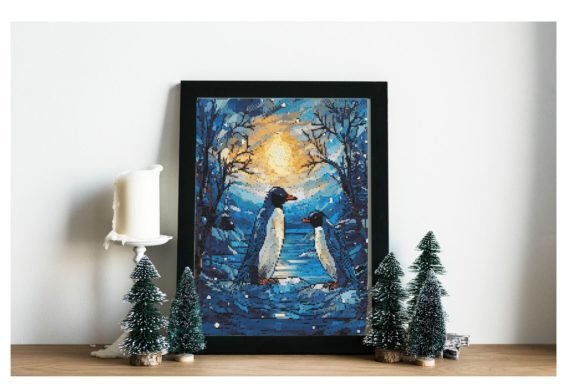
When you first encounter Stained Glass Penguins Cross Stitch, the immediate feeling is one of whimsical sophistication. The design blends the traditional craft aesthetic of cross-stitch with the vibrant, light-refracting qualities of stained glass. This creates an editorial mood that is both playful and artistic. It does not feel strictly corporate or overly minimalistic; instead, it offers a warm, inviting atmosphere that resonates deeply with lifestyle-focused, educational, and seasonal content niches.
For a publisher looking to establish a distinct brand identity, this asset stands out because it feels handcrafted yet polished. It naturally supports content related to home decor, crafting tutorials, cozy living, or even nature-inspired blogs. The visual hierarchy established by the intricate lines and rich colors draws the eye immediately, suggesting a story behind the image. In a feed dominated by flat vector icons and stock photography, this design offers a tactile, human element that readers often find more trustworthy and engaging.
Real-World Publishing Applications
The true test of any design asset is its versatility across different platforms. In my recent project involving a series of digital guides and downloadable resources, Stained Glass Penguins Cross Stitch proved incredibly adaptable. Here is how I integrated it into our actual content production pipeline:
- Pinterest Graphics and Pins: Pinterest is a visual search engine where click-through rates depend heavily on bold imagery. We used the pattern as a background texture for our article pins, overlaying white text for contrast. The intricate details of the penguins added depth without overwhelming the headline, resulting in higher engagement than our previous flat designs.
- Newsletter Headers and Banners: For our weekly digest, we needed a header that felt welcoming but professional. Placing this design at the top of our email template created an instant connection with subscribers. It signaled that the content inside was curated with care, boosting open rates and reader trust.
- Digital Guides and Lead Magnets: When creating a free downloadable worksheet or eBook cover, the asset served as a perfect anchor. It transformed a standard PDF into a premium-looking digital product. The stained glass effect gave the download a sense of value, encouraging users to exchange their email addresses for the resource.
- Social Media Previews and Ads: On Instagram and Facebook, where space is limited, the high contrast of the design ensured visibility. We utilized it in carousel posts to break up text-heavy slides, maintaining visual interest throughout the scroll.
Enhancing Content Performance and Trust
Using Stained Glass Penguins Cross Stitch did more than just make things look pretty; it directly influenced key performance metrics. By introducing a consistent visual theme, we improved category recognition. Readers began to associate the specific style of the penguin art with our brand's voice. This consistency builds a stronger visual identity over time, making our content pages appear more professional and authoritative.
Furthermore, the asset supported better click-through potential. In affiliate marketing, where trust is paramount, having high-quality, unique graphics helps distinguish your recommendations from generic spam. The artistic nature of the design suggests that the creator has put effort into the presentation, which subconsciously transfers to the products being reviewed. This is crucial for affiliate marketers and content creators aiming to convert traffic into sales.
Strategic Placement and Layout Considerations
While the asset is powerful, it requires strategic placement to maintain a clean web design structure. It works best in hero images, article thumbnails, and as editorial accents where it can breathe. Using it as a full-width website header can create a stunning focal point, provided the navigation elements are placed carefully to ensure readability.
However, there are scenarios where this design must be used with caution. In small mobile thumbnails, the intricate details of the cross-stitch pattern may become muddy or indistinct. If the resolution is too low, the "stained glass" effect might turn into a blurry mess rather than a sharp graphic. Additionally, for serious professional niches like legal advice, financial consulting, or corporate technology, this playful aesthetic might clash with the required tone of authority and minimalism.
It should also be avoided on busy layouts where the background is already cluttered. The design is visually dense, so pairing it with other complex patterns or heavy textures will result in a chaotic user interface. For these cases, using the asset as a subtle border or a footer accent might be a safer approach than a dominant background.
Publisher Notes for Implementation
To get the most out of this Cross Stitch Patterns collection, I recommend following a rigorous testing protocol before rolling it out across your site. First, always test the asset on desktop and mobile screens. A design that looks magnificent on a large monitor might lose its impact on a smartphone display due to compression or scaling issues.
Check how the image appears as a thumbnail in social feeds and blog lists. Does the text remain legible? Is the contrast sufficient? You should preview the asset inside a real blog layout to see how it interacts with your existing typography. Try placing it beside serif fonts for a classic look, sans-serif fonts for modernity, or script fonts for a creative flair. Testing it in black and white can also reveal if the composition holds up without color.
File size is another critical factor for web performance. Large images can slow down page load times, negatively affecting SEO and user retention. Ensure you compress images properly without sacrificing quality. Finally, confirm the commercial license before using the design on monetized websites, affiliate pages, or paid content products. Understanding the terms of use protects your business and ensures you are compliant when selling digital downloads or running ads.
Final Thoughts on Visual Communication
As a digital publisher, I am constantly searching for ways to improve the editorial design of my content. Stained Glass Penguins Cross Stitch offers a unique opportunity to inject personality and warmth into a digital environment. Whether you are building a Canva template for clients, designing a media kit, or simply updating your blog's featured images, this asset provides a level of creativity that elevates the entire reading experience.
By integrating this design thoughtfully, you can create a cohesive creative design system that appeals to your audience and supports your business goals. It reminds us that in the digital age, the most effective content marketing often comes from the smallest details—the textures, the colors, and the stories told through visual language. For bloggers and entrepreneurs willing to invest in high-quality design assets, the return on investment in terms of reader engagement and brand loyalty is well worth the effort.